
What is the BOLAR Score?
The BOLAR Score factors in five various categories instead of a basic background check. With the new system that BOLAR brings into the Renting Market, Tenants will be scored based on the basic factors of: Tenant Age, Tenant Duration, Mark History, Payment History, and Refund Score. By factoring more than just a Tenant’s credit score history, BOLAR allows a major change and helps build a healthy, strong relationship with future Tenants and their Landlords.
![3ScoreOverView[Excellent][BrightColor].png](https://images.squarespace-cdn.com/content/v1/5e0f9fa9c43b86108a5a66eb/1599781905355-GUU2RFUWMSBOJOYARXAZ/3ScoreOverView%5BExcellent%5D%5BBrightColor%5D.png)
Factors of the BOLAR Score
Factor 1: Age of history
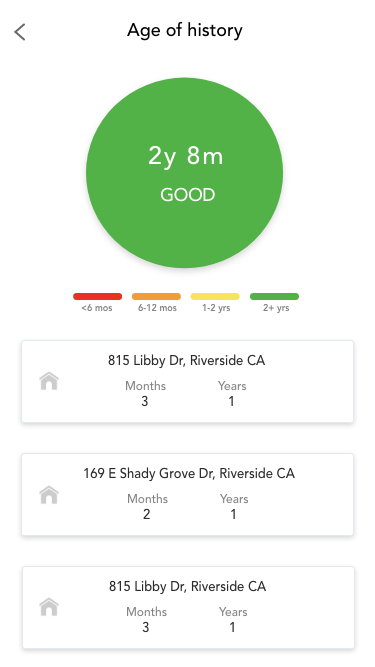
The first factor used in the determination of a Tenant’s BOLAR score is their history with the BOLAR App, better known as Age of History.
Tenant Age is scored out of 10, with a new user beginning at a score of 7, which is considered neutral.
From score 9-10, a Tenant is considered to be in “Excellent” standing. At score 8, a Tenant is in “Good” standing. From scores 6-7, a Tenant is considered to be in “Average” standing. From scores 2-5, Tenants are considered to be in a “Needs Improvement” standing, which typically means they will need to be more active about reporting their Renting History.
For Tenants who have used Bolar, their score is calculated in four easy steps:
Take a Tenant’s Amount of Years with BOLAR.
Take The Amount of Years They Have Actively Reported Renting History with BOLAR.
Take the Amount of Active Reported Renting Time, divide it by the Amount of Years a Tenant has been signed up with BOLAR, and then finally take that number and multiply it by 10.
Once a Tenant receives that Number, it is rounded down to the nearest whole number which will give a Tenant their score out of 10.
Factor 2: Average duration
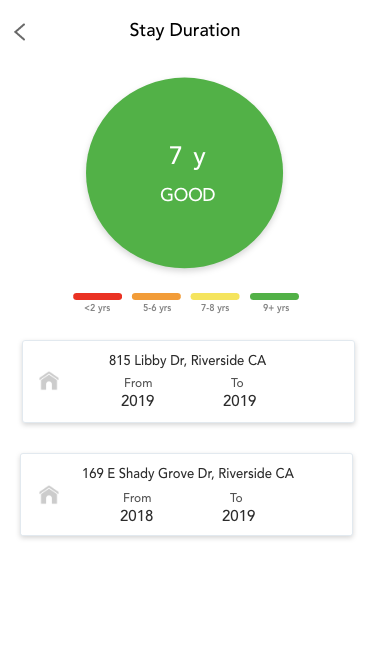
The Tenant Duration Factor is broken down into two main categories: The Longest Stay a Tenant has had at one location, and their Average Duration of Stay throughout their Renting History.
The Longest Stay: This component is scored out of 4 points and accounts for the longest time a Tenant has lived in one location. A score of 1 would be considered “Negative” and means a Tenant has, at most, stayed for 6 months or less. A score of 2, would be considered “Average” and means a Tenant has, at most, stayed for 12-17 months at one location. A score of “3”, would be considered “Good” and means a tenant has stayed for a period of 18-23 Months. A score of 4 which is considered “Excellent” would mean a Tenant has stayed for 24+ months in one location.
The Average Duration: This component is scored out of six and totals all of the years a Tenant has stayed at various locations and averages them into one number. A score of 3 would mean a Tenant stays for an average of “6 months” at a time. A score of 4 would mean a Tenant stays for an average of “12 months” at a time. A score of 5 would mean a Tenant stays for an average of “18 months” at a time. A score of 6 would mean a Tenant stays for “24+ months” on average.
When adding the two categories above, a Tenant will receive a total score out of 10 points, with a 4 being the absolute lowest score possible, and a 10 being the maximum score.
factor 3: mark history
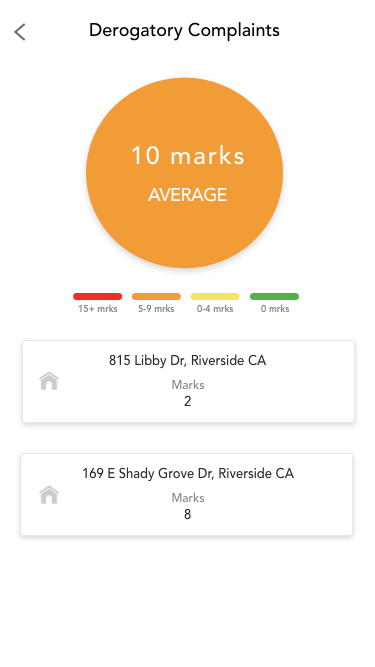
Mark History measures the amount of complaints that have been filed against a Tenant and the comments left by a previous Landlord. The total score is out of 20, and though this category seems basic, this factor allows Landlords to understand a Tenant’s background beforing renting to them. Vice Versa, this category also allows Tenants to hold themselves accountable while living in a rented or leased unit.
For Landlords. this factor also allows previous Landlords to leave comments about a Tenant’s consistent bad habits to allow future Renters to read at a later time.
Consistent Late Payments are a 2 point deduction, Lease Agreement Violations are a 2 point deduction, Incidents Over 1k are a 3 point deduction, Illegal Activity at a Residence are a 4 point deduction, and Incidents over 10k are a 5 point deduction.
Factor 4: Payment History
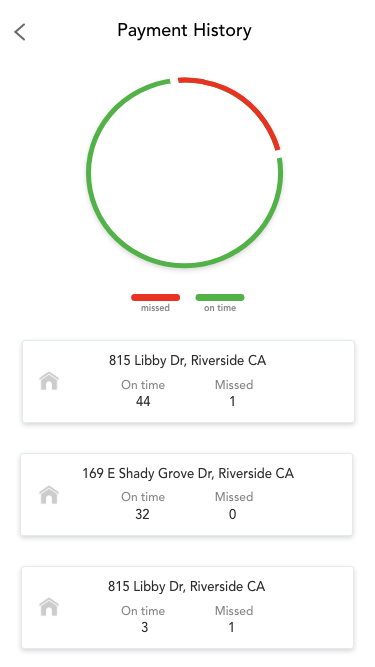
Payment History measures a Tenant’s ability to pay their rent on time and is scored out of “40” possible points. Payments are only considered to be “completed” when the full amount owed for the month is complete. Meaning, if a Tenant pays half of the rent owed on the day it is due and half the next week, payment will be documented as “one week late”.
Late Payments in the beginning of a Tenant’s lease will be marked higher than Late Payments made in future years. For example, a Tenant’s 1st year of renting will mean late payments are multiplied by a factor of “1”, yet in the second year of renting, late payments will only be multiplied by a factor of “.8”. Each year that passes of a Tenant renting decreases the factor of multiplication by “.2”.
For each week a Tenant misses a payment deadline, “1” point will be deducted. So for example, a Tenant who is behind “4” weeks in their first year of renting would be down “4” total points.
Factor 5: refund score
The Refund Score measures the % of the security deposit that a Tenant receives when moving out. The score is not based on the independent % received, but rather the collective average % of the total refund.
The amount received back is divided by the initial security deposit, and then that number is rounded down to the nearest whole number and given a point score out of 20 points.
The scale of the percentages is factored as followed:
100% -> 20 points
90% -> 18 points
80% -> 16 points
70% -> 14 points
60% -> 12 points
50% -> 10 points
40% -> 8 points
30% -> 8 points
20% -> 8 points
10% -> 6 points
0% -> 4 points
![8RefundScore[SecondIteration].png -2.png](https://images.squarespace-cdn.com/content/v1/5e0f9fa9c43b86108a5a66eb/1579942738836-NXACL8VZ72KL8JBAA7IT/8RefundScore%5BSecondIteration%5D.png+-2.png)
Additional comments
To ensure that every Tenant understands the score they received for each category, additional comments will be given that describes each categorical score a Tenant received on their report.
By adding additional comments, the BOLAR Team hopes to encourage good-standing Tenants and give positive feedback to lower-standing Tenants on how to improve their score for a future report!